The phrase “dream job” often conjures images of a perfect career—one that perfectly aligns with our passions, offers immense satisfaction, and provides a comfortable living. For decades, this has been the ultimate career goal. But as the world of work undergoes a massive transformation, it’s worth asking: is the concept of a single dream job still relevant, or is it an outdated fantasy?
This post explores how societal, economic, and technological shifts have reshaped our career aspirations. We will look at how new generations view work, how the rise of flexible work models has changed the game, and how you can redefine success on your own terms.
The Traditional Dream Job: A Fading Ideal
The classic notion of a dream job was born in a different era. It was often tied to stability, a linear career path, and loyalty to a single company. You would find a good position, climb the corporate ladder over several decades, and retire with a pension. This model promised security and a clear path to success.
However, several factors have chipped away at this traditional ideal:
The New Workforce: Redefining Career Goals
Younger generations, particularly Millennials and Gen Z, have entered the workforce with a different set of expectations and priorities. Having witnessed the financial struggles and burnout of their parents, they are approaching careers with a new perspective.
Work-Life Balance is Non-Negotiable
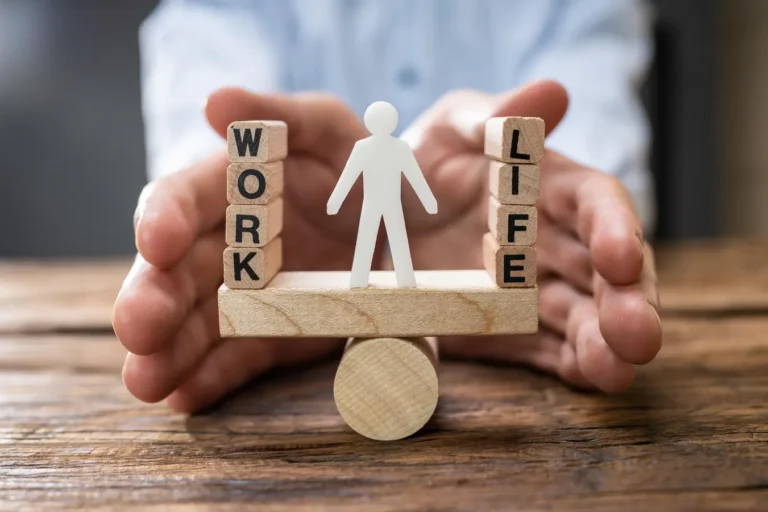
For many, a dream job isn’t about the corner office; it’s about having the flexibility to live a full life outside of work. A recent survey found that work-life balance is the top priority for Gen Z and millennials when choosing an employer. They are actively seeking roles that offer remote options, flexible hours, and a company culture that respects personal time. The ability to travel, pursue hobbies, or simply be present for family is the new status symbol.
The Search for Purpose and Impact
While salary is important, it’s often not the primary driver for today’s workforce. Many people want their work to mean something. They are drawn to companies that align with their personal values, whether that involves sustainability, social justice, or community impact. The modern “dream job” might be one that allows an individual to contribute to a cause they believe in, even if it doesn’t follow a traditional corporate path.
Flexibility Over Rigidity
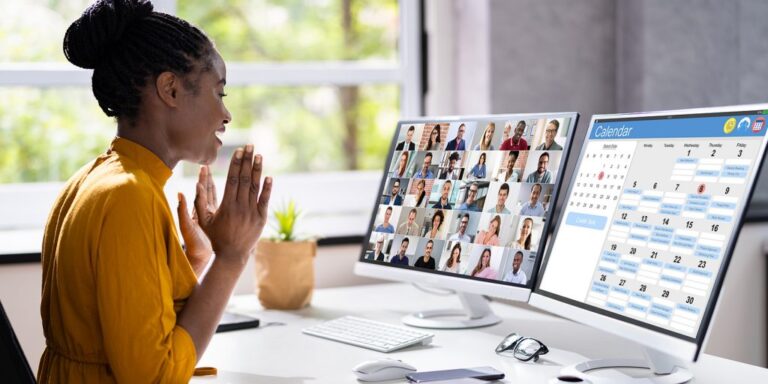
The 9-to-5 workday is becoming less common. The rise of the gig economy and remote work has demonstrated that productivity isn’t tied to a specific location or time frame. This shift has empowered people to build careers that fit their lifestyles, not the other way around. This could mean working as a freelance consultant, managing multiple part-time projects, or running a small business from anywhere in the world.
How Technology and New Work Models Reshaped the Dream
Technology has been a major catalyst in dismantling the old career ladder. The internet and digital tools have created opportunities that were unimaginable just a few decades ago.
The Gig Economy and Portfolio Careers
Platforms like Upwork, Fiverr, and Etsy have made it easier than ever to monetize a skill or passion. This has led to the rise of the “portfolio career,” where individuals build a career from multiple income streams rather than relying on a single employer. For many, this is the new dream. It offers variety, autonomy, and the security that comes from not having all your eggs in one basket.
A graphic designer might do contract work for a tech company, sell their own prints online, and teach a design course on the side. This combination of roles provides financial stability and creative fulfillment in a way a single job might not.
The Remote Work Revolution
The global shift to remote work proved that many office jobs can be done effectively from anywhere. This has decoupled the concept of a “good job” from a “good location.” People no longer have to move to expensive cities to access top career opportunities. The new dream job might be one that allows you to work for a leading global company from a quiet small town, saving money and enjoying a better quality of life.
How to Redefine Your Career Goals for Today’s World
The “dream job” isn’t dead—it has evolved. Instead of searching for one perfect role, a more modern and sustainable approach is to build a career that aligns with your personal definition of success. Here’s how you can start.
The hunt for a single, perfect “dream job” may be an outdated quest. The new goal is to create a dynamic, evolving career that provides fulfillment, flexibility, and alignment with your personal values. By focusing on what truly matters to you, you can build a professional life that is not only successful but also deeply satisfying.
Meta Information
Meta Title: Is the Dream Job Dead? Redefining Career Success Today
Meta Description: Explore why the traditional ‘dream job’ is a fading concept. Learn how to redefine your career goals for today’s world of work-life balance and flexibility.